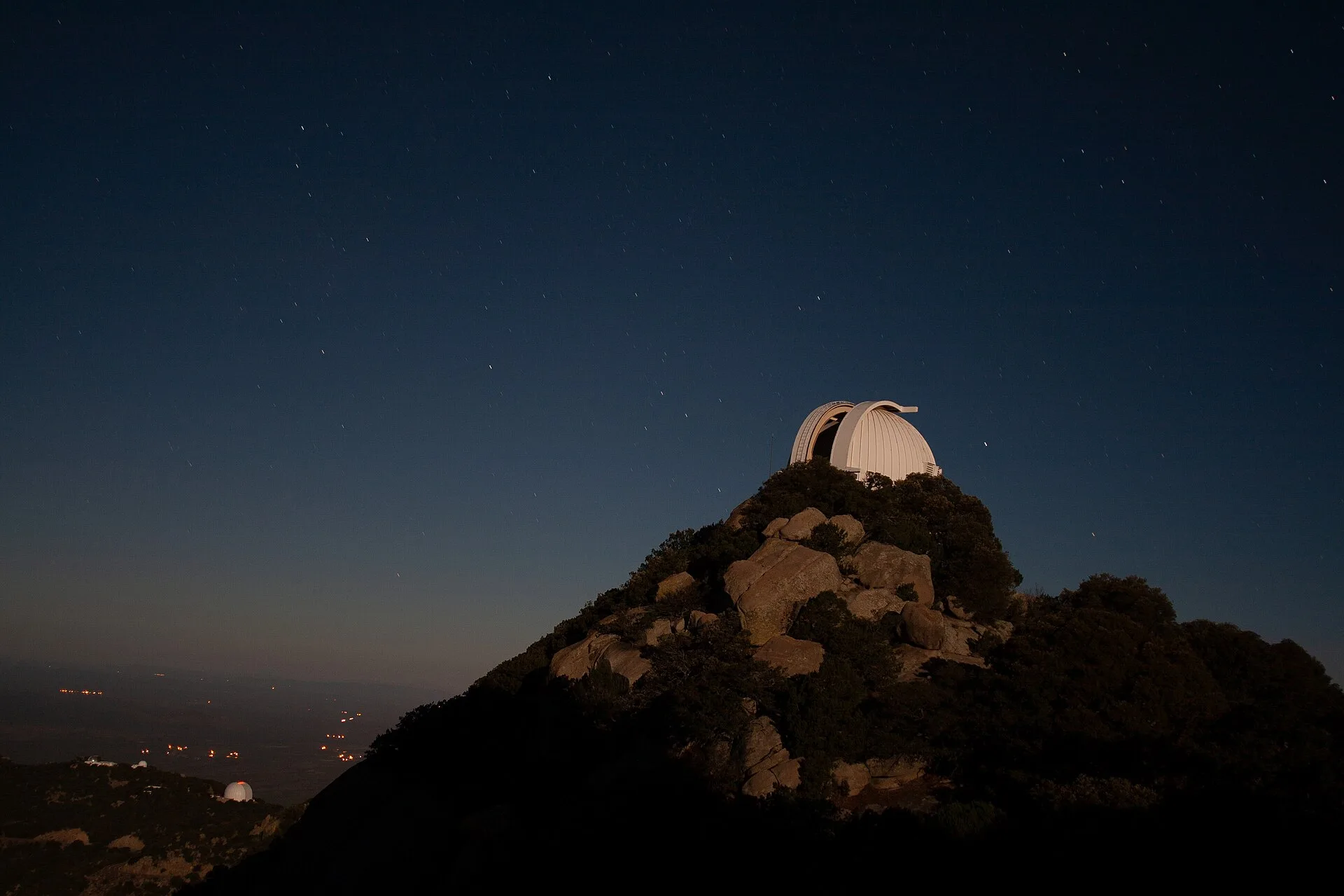
Independent research across physics, electronics, chemistry, astronomy, and sustainability.
Derifield Physical Sciences Research is a working research practice. I build experiments, instruments, and analyses, and publish the record: questions, methods, data, code, and results.
Five areas, one practice.
The common thread is measurement. Each area has its own instruments, data, and failure modes, but the standard is the same: state the question, show the method, keep the data, and make the result checkable.
Measurement and models
Physics
Measurement, instrumentation, and models for systems where the uncertainty budget matters as much as the headline number.
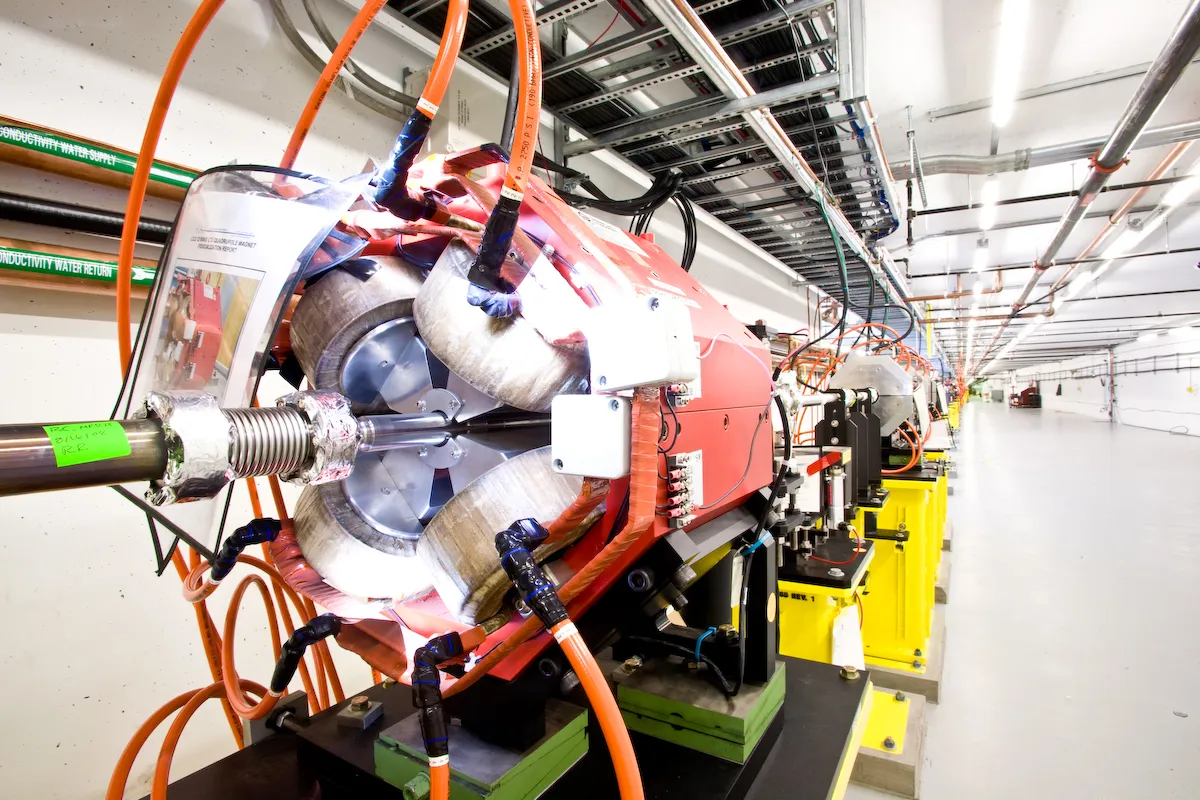
Instruments and readout
Electronics
Sensors, readout, embedded control, and the calibration chain that turns a physical quantity into a recorded number.
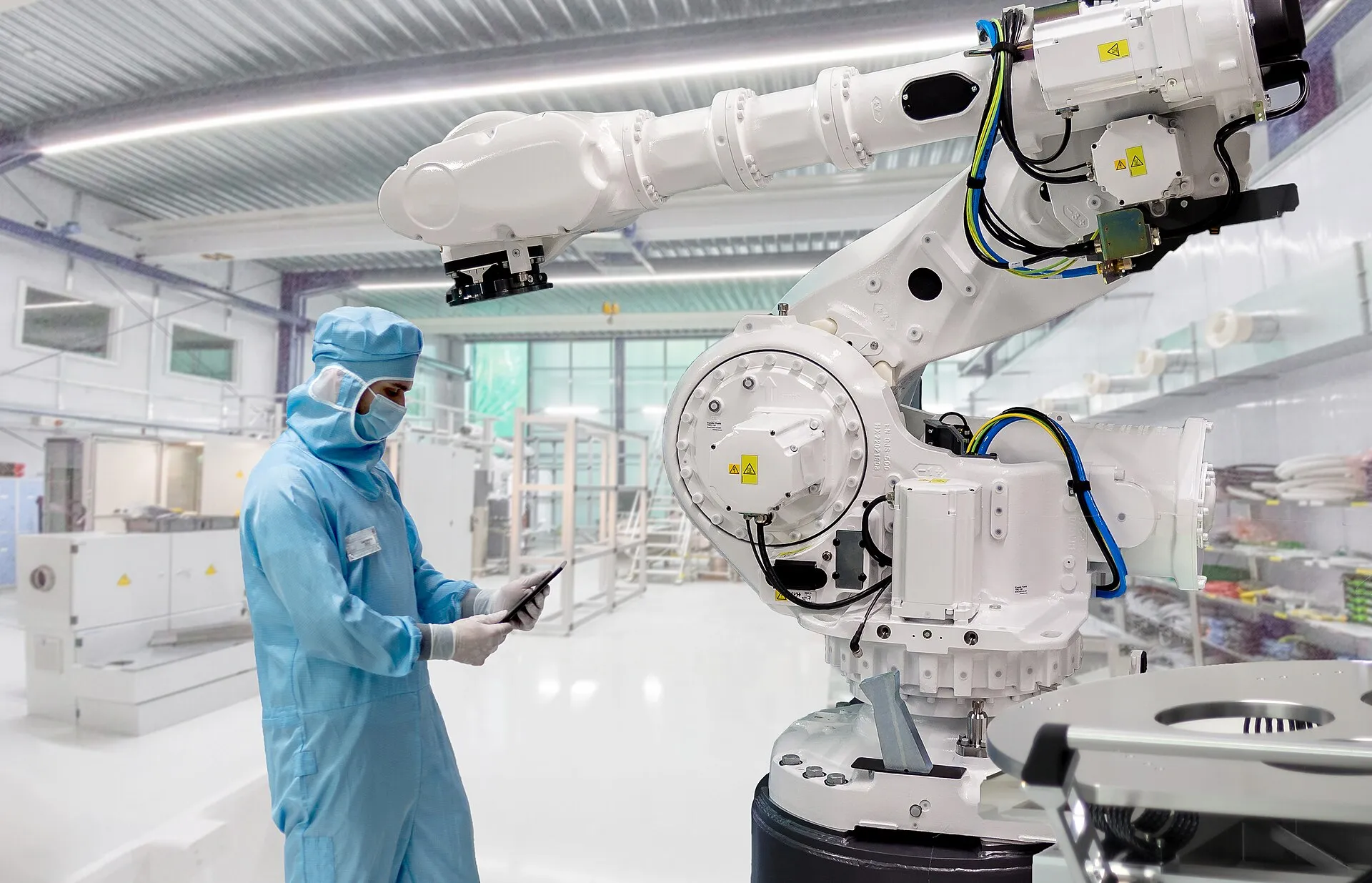
Analysis and materials
Chemistry
Analytical measurement, spectroscopy, materials, and the chemistry of small samples and real matrices.
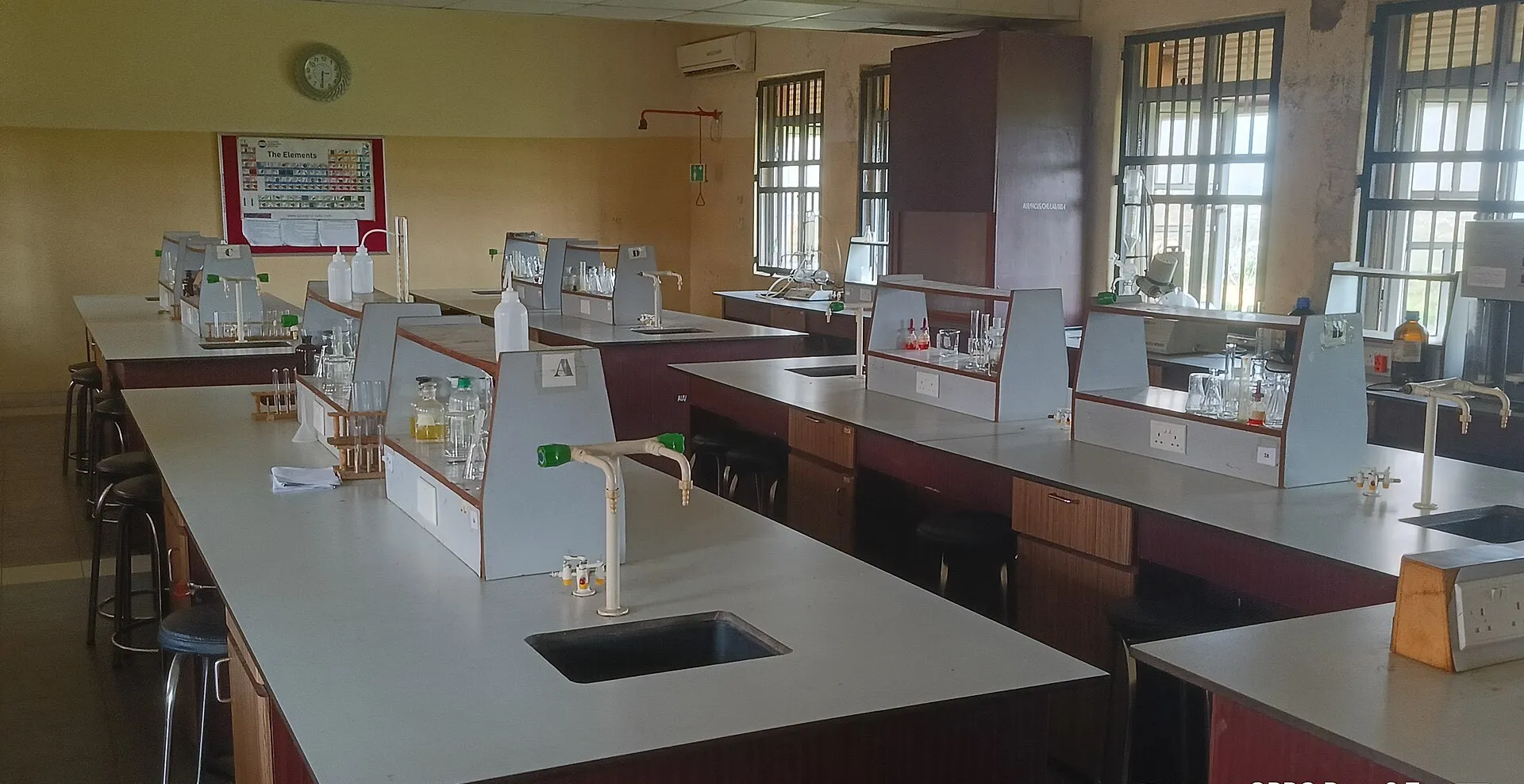
Time domain and archives
Astronomy
Transit timing, archive photometry, and the instrumentation that connects a photon count to a physical model.

Energy and environment
Sustainability
Energy, materials, and environmental measurement, with the same rule: state the boundary, the data, and the uncertainty.
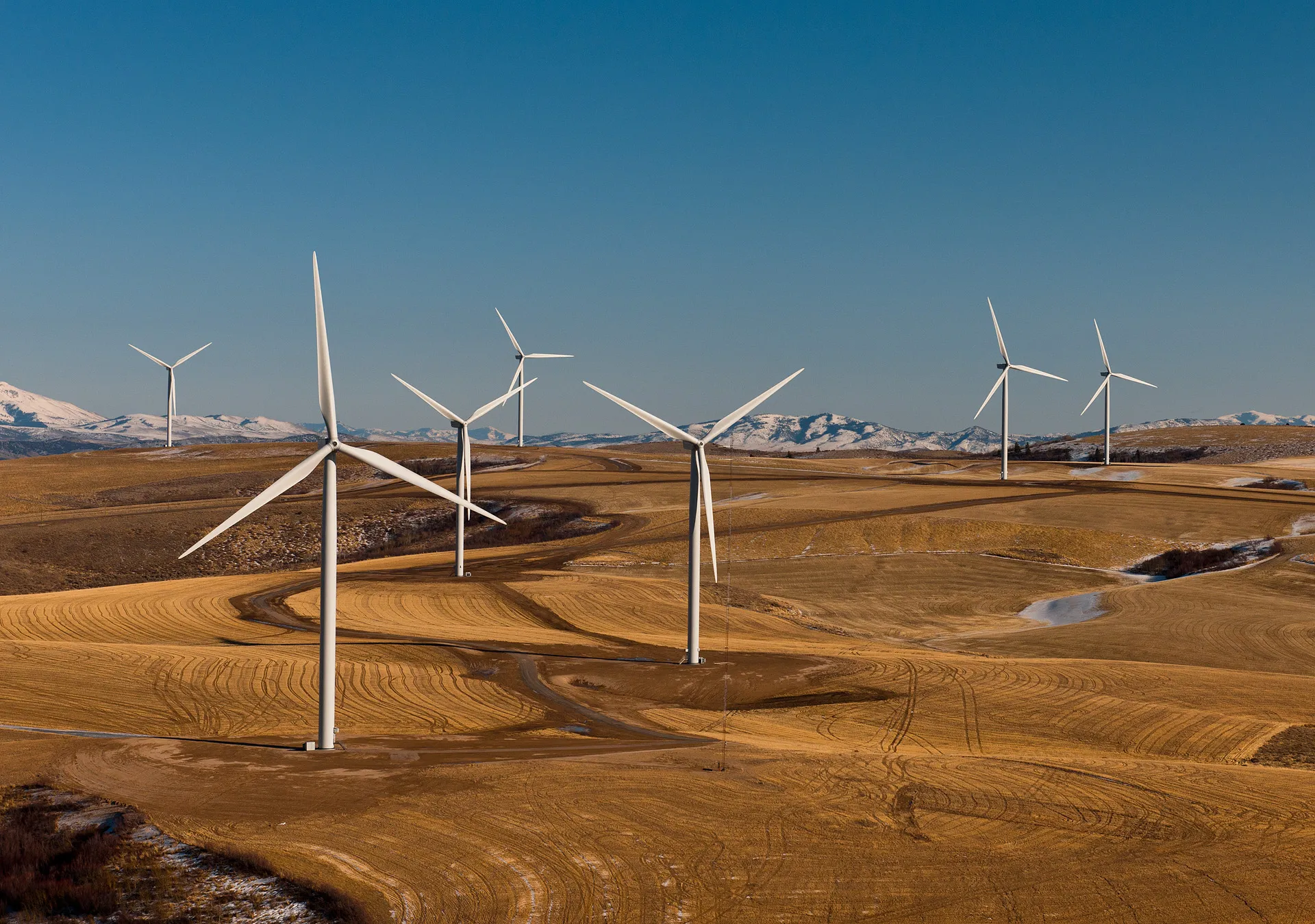

TESS transit timing
A reproducible pipeline for public TESS photometry. The first formal project includes a frozen archive selection rule, a synthetic recovery campaign, two real single-transit fits, and a full-sector cross-check that reports where the two reduction paths disagree.
How the work is recorded.
- 01
Question first
Every project starts with the question and the result that would change the answer. The question is written before the data are fitted.
- 02
Data with provenance
Inputs keep their source, request time, byte count, and digest. A number without a path back to the input is a draft.
- 03
Code with tests
Calculations live in code that can be run again. Tests cover the boundary cases and the recovery checks that justify the method.
- 04
Status is explicit
Working notes, preprints, and published papers are labelled as such. Each project states its own scope and limits.
Latest research notes.
Working notes from the current project and the method work behind it. Longer papers and preprints are listed on the publications page.
- 25 October 2026 Two real single-transit fits, and why they are not a timing result
KELT-11 b and HD 209458 b fits with the published period fixed, plus the full-sector cross-check that disagrees at the formal precision.
Topics: exoplanets, transit-timing, light-curves, astronomy-methods - 24 October 2026 Aperture diagnostics on the real sector 56 product set
A threshold aperture run on the HD 209458 b target pixel file, compared with the mission SAP and PDCSAP columns on one common quality mask.
Topics: light-curves, astronomy-methods, open-science - 24 October 2026 The archive selection rule, and how 598 rows became 304 docket rows
A fixed four-gate rule applied to a public confirmed-planet table, with the counts, the one-sided docket flag, and the limits recorded.
Topics: exoplanets, transit-timing, astronomy-methods - 24 October 2026 One real product set: HD 209458 b, sector 56
The SPOC 120 s light curve and target pixel file for HD 209458 b, with archive URLs, byte counts, and SHA-256 digests. Acquisition record only.
Topics: exoplanets, light-curves, open-science