Research areas

The practice works across five areas. The common method is measurement: define the question, build the instrument or pipeline, record the data and the uncertainty, and publish a result that another person can check.

Some projects are computational, some are instrumental, and some are field measurements. The area pages describe the questions, the current work, the method, and the directions that come next.
01

Measurement and models

Physics

Measurement, instrumentation, and models for systems where the uncertainty budget matters as much as the headline number.

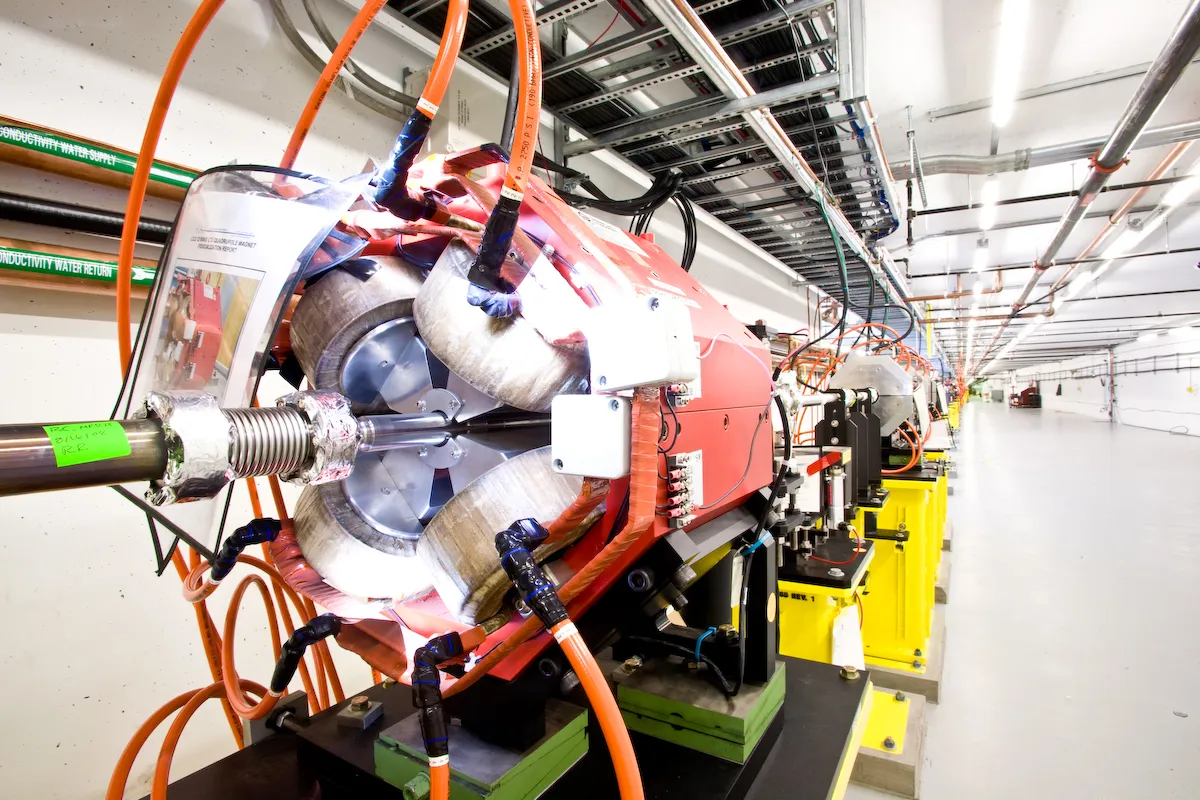
A section of the LCLS accelerator with copper and orange components and a long experimental hall.
02

Instruments and readout

Electronics

Sensors, readout, embedded control, and the calibration chain that turns a physical quantity into a recorded number.

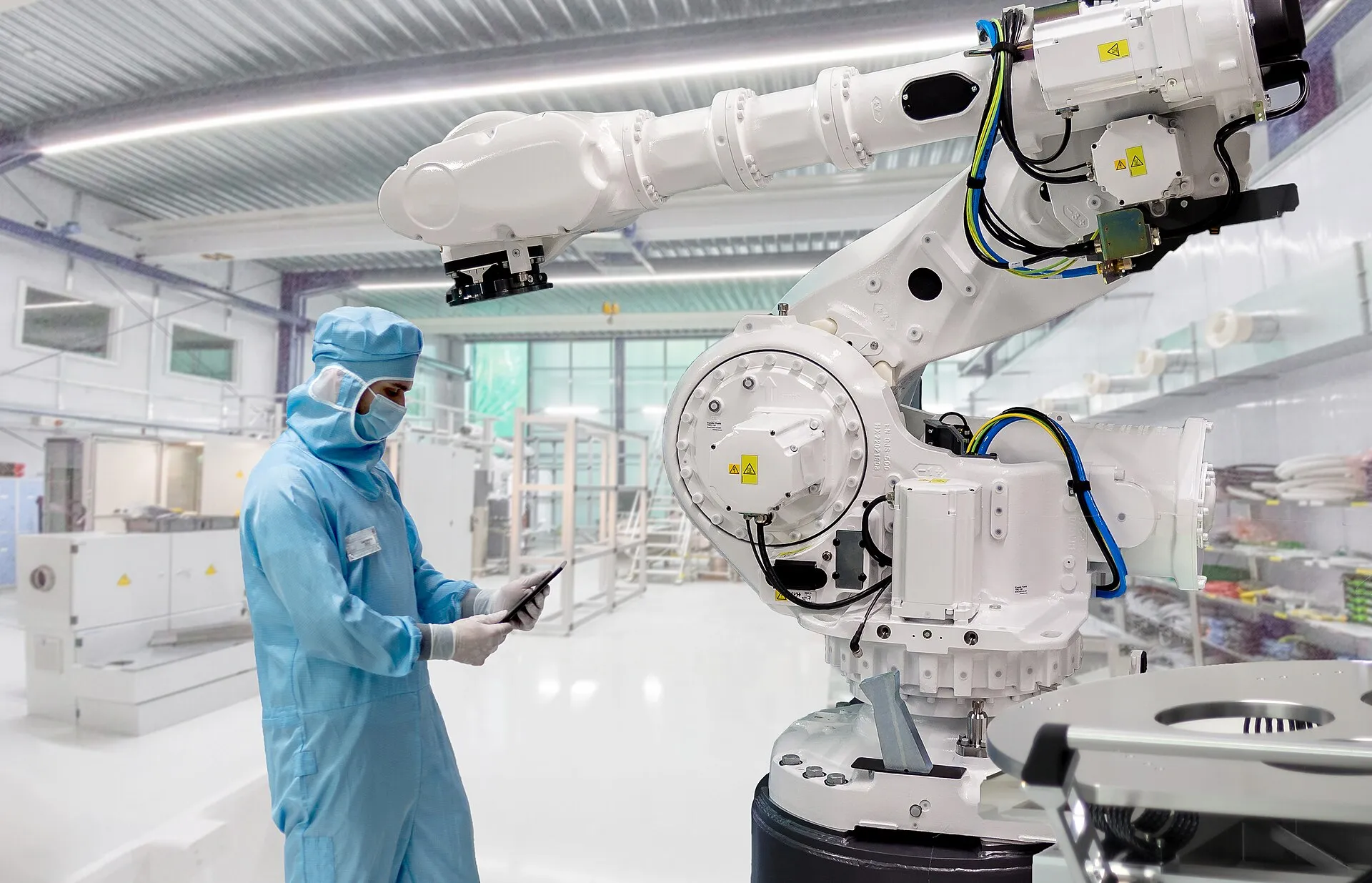
A technician in a cleanroom working beside a white robotic arm inside a glass enclosure.
03

Analysis and materials

Chemistry

Analytical measurement, spectroscopy, materials, and the chemistry of small samples and real matrices.

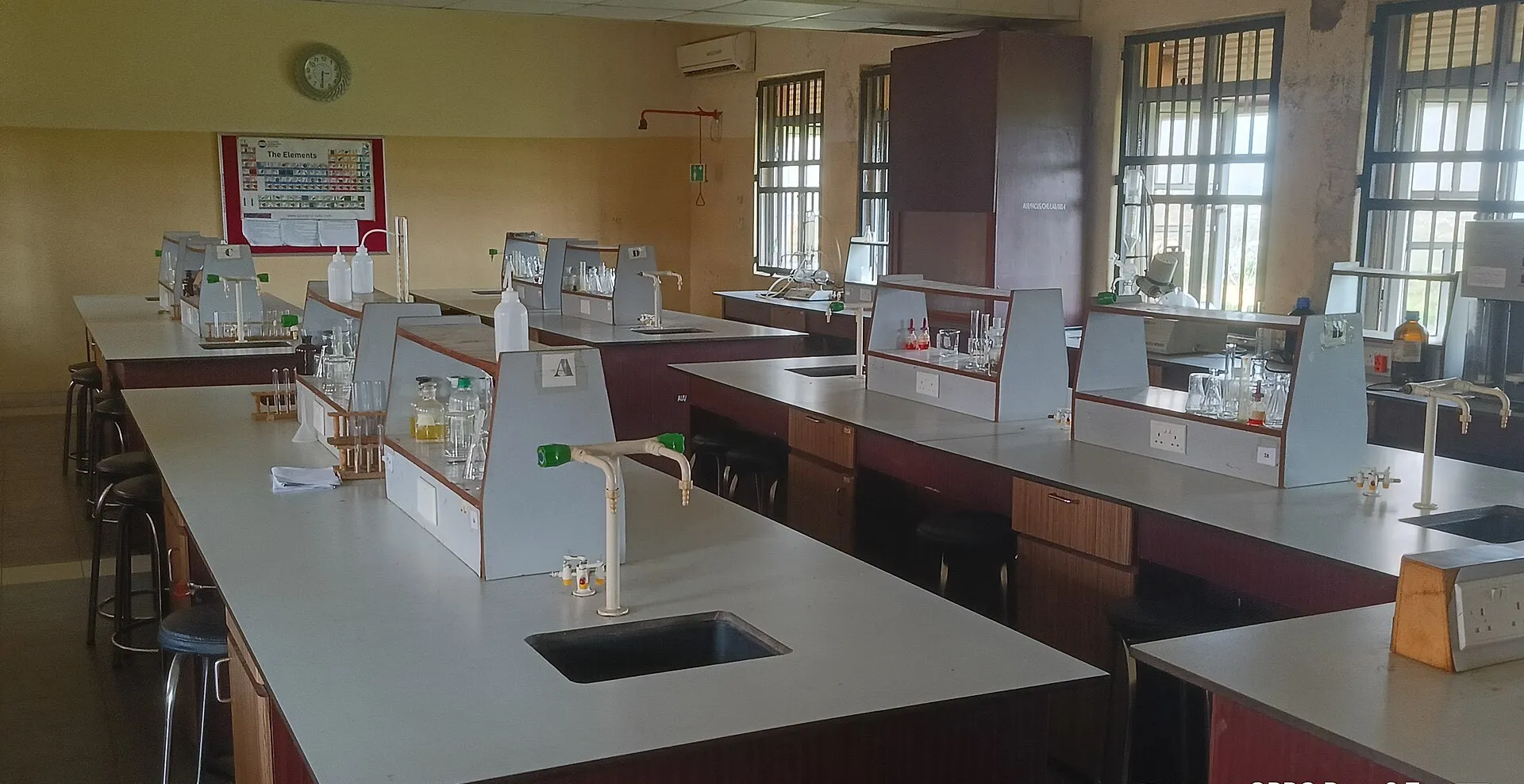
A modern chemistry teaching laboratory with rows of benches, fume hoods, and glassware.
04

Time domain and archives

Astronomy

Transit timing, archive photometry, and the instrumentation that connects a photon count to a physical model.

Four Very Large Telescope Unit Telescopes on Cerro Paranal at twilight under a deep blue sky.
05

Energy and environment

Sustainability

Energy, materials, and environmental measurement, with the same rule: state the boundary, the data, and the uncertainty.

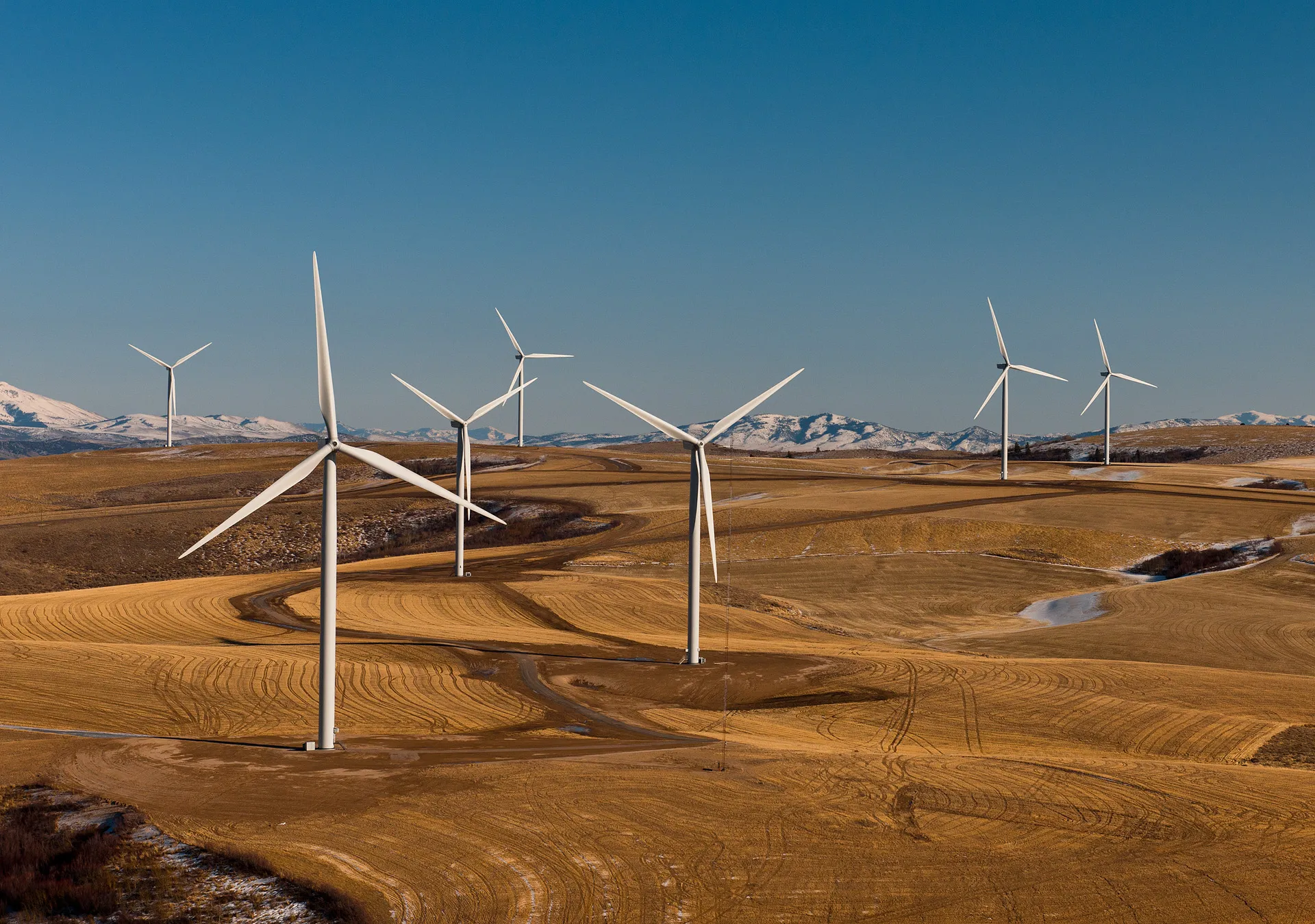
A line of wind turbines across dry farmland under a clear blue sky.

Current projects

Projects with public records at this revision.
Project Area Status Record
TESS transit timing Astronomy Working project: selection rule, synthetic recovery, two real single-transit fits, full-sector cross-check result note, manuscript draft

Projects in the other areas are in development. Their records will be listed here when they are released. The publications page carries papers and preprints, and the notes archive carries working notes.